Understanding the Differences Between 12, 5 & 3 Lead ECG Systems and their Clinical Significance 24 Apr

Understanding the Differences Between 12, 5 & 3 Lead ECG Systems and their Clinical Significance

Electrocardiography (ECG) is one of the most essential diagnostic tools in modern medicine, enabling clinicians to evaluate the electrical activity of the heart in real time. It plays a critical role in diagnosing acute cardiac conditions, monitoring patients in critical care, and supporting decision-making in emergency and remote settings. Although the 12-lead ECG is considered the gold standard for diagnosis, 5-lead and 3-lead ECG systems are equally important in clinical workflows. Each configuration is designed with a specific purpose, balancing diagnostic capability, ease of use, portability, and speed. Understanding how these systems differ—and where they are best applied—is essential for...

Readmore

Why 24-Bit A/D Converters Matter in EEG Systems: Unlocking Precision and Signal Integrity 02 Feb

Why 24-Bit A/D Converters Matter in EEG Systems: Unlocking Precision and Signal Integrity

Electroencephalography (EEG) is one of the most sensitive diagnostic tools in modern neurology. By capturing the brain’s electrical activity at the microvolt level, EEG helps clinicians diagnose epilepsy, sleep disorders, encephalopathies, brain injuries, and a wide range of neurological conditions. However, the accuracy of an EEG recording does not depend solely on electrode placement or clinical expertise—it also relies heavily on the quality of signal digitisation inside the EEG system. One of the most critical components responsible for this digitisation is the Analog-to-Digital (A/D) converter. In recent years, 24-bit A/D converters have become the gold standard in high-quality EEG systems....

Readmore

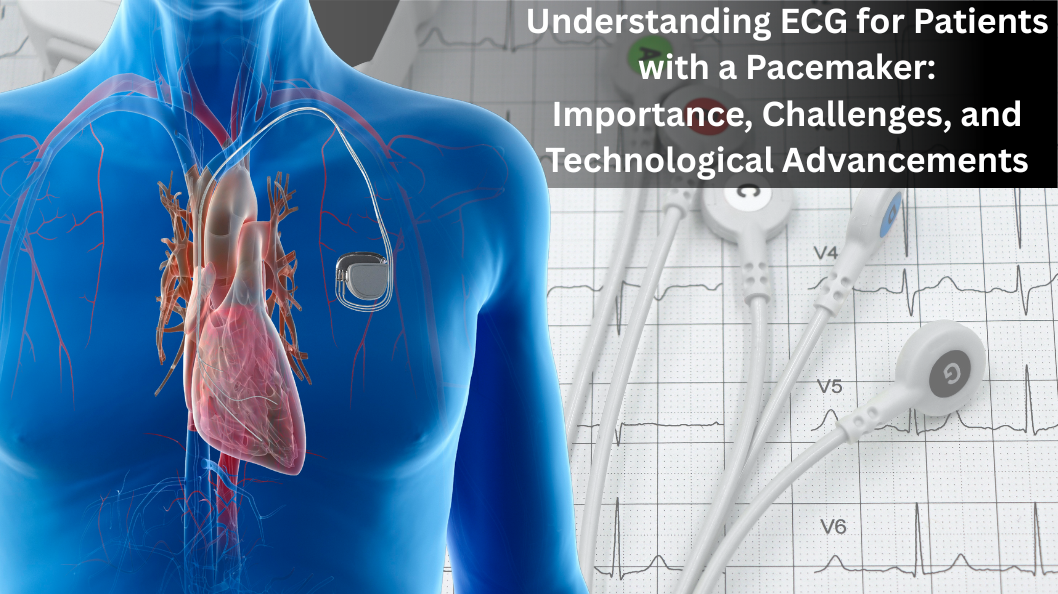
Understanding ECG for Patients with a Pacemaker: Importance, Challenges, and Technological Advancements 16 Jun

Understanding ECG for Patients with a Pacemaker: Importance, Challenges, and Technological Advancements

Electrocardiography (ECG or EKG) is a cornerstone in modern cardiology, providing critical insights into the electrical activity of the heart. However, for patients who have a pacemaker implanted, interpreting ECG results becomes more complex. The presence of a pacemaker introduces unique challenges to ECG readings, making it essential to use advanced ECG machines that can detect and differentiate pacemaker signals from intrinsic cardiac activity. With growing cardiovascular risks and an aging population, the need for accurate ECGs in pacemaker patients has never been more vital. Companies like Clarity Medical are leading the charge in addressing this need with sophisticated, intelligent...

Readmore

Understanding Acute Pericarditis: Symptoms, Causes, & Diagnosis 05 Mar

Understanding Acute Pericarditis: Symptoms, Causes, & Diagnosis

Acute pericarditis is a condition characterized by inflammation of the pericardium, the thin sac surrounding the heart. While often benign, acute pericarditis can cause significant discomfort and, in severe cases, lead to complications. Understanding the symptoms, causes, diagnosis, and treatment options for acute pericarditis is crucial for prompt management and optimal outcomes.   What is Acute Pericarditis? Acute pericarditis refers to the sudden onset of inflammation in the pericardium, the double-layered sac that surrounds the heart and helps to maintain its position within the chest cavity. When the pericardium becomes inflamed, it can lead to chest pain, discomfort, and other...

Readmore